

Communicating School Voter Initiatives
Clear communication is essential when districts share information about voter initiatives. By focusing on transparency, simplicity, and trust, schools can help their communities understand what’s being proposed and why it matters.


VIDEO
Communicating School Voter Initiatives
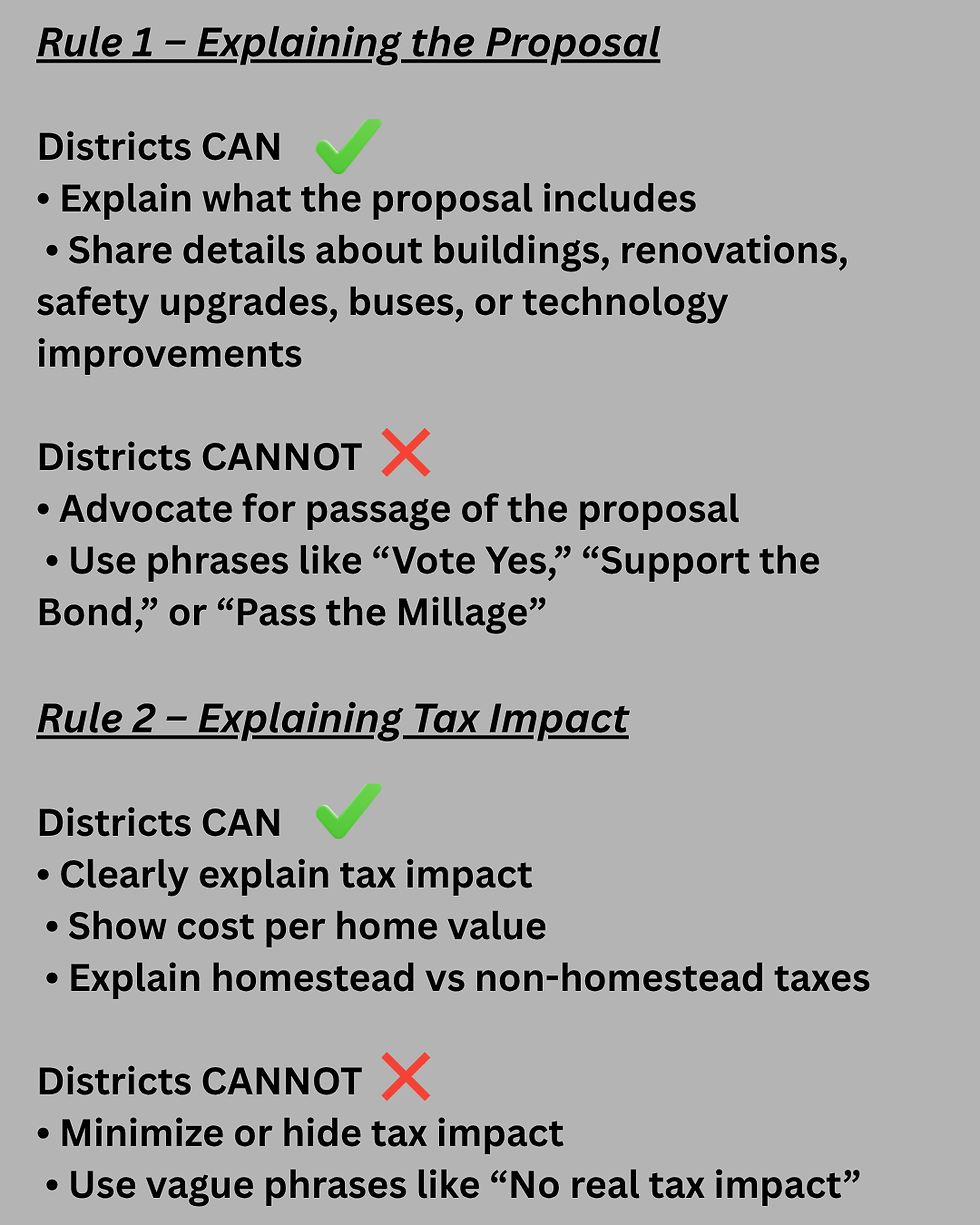
Before communicating about a ballot proposal, districts need to understand the legal boundaries that guide how schools share information with the public.
In Michigan, these rules come from the Michigan Campaign Finance Act, which ensures public resources are not used to influence election outcomes.
The key principle is simple: district communication must inform, not persuade.
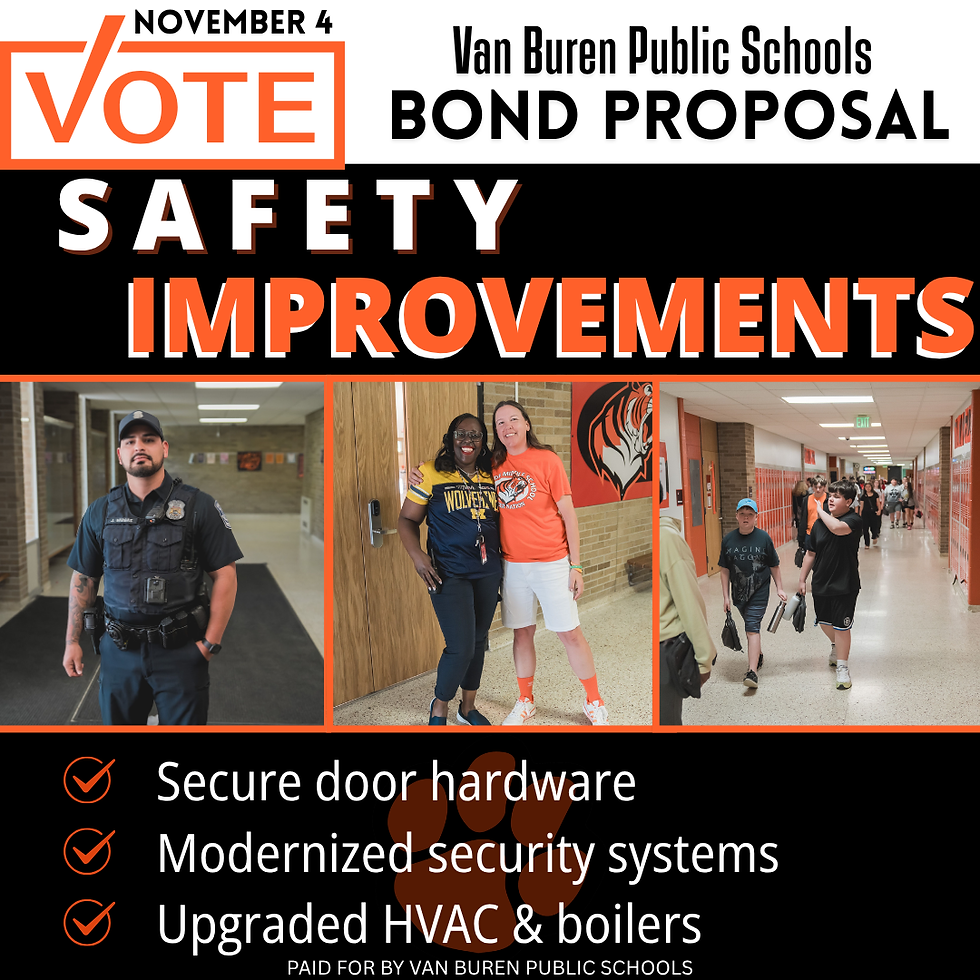
Districts can explain proposals and provide factual information, but they cannot use public resources to campaign for or against them.



Public resources include:
-
Staff time
-
District email, websites, or social media
-
Office space and facilities
-
Computers and technology
-
Vehicles, equipment, or supplies
-
Using these resources for advocacy can result in penalties, which is why communication must stay informational.
Watch this video explaining best practice:

School Explainer: Explain how bonds work simply to voters.


Swipe to learn more about the types of voter initiatives, and check out some examples to the right.


School Bonds
Sinking Funds
Non-Homestead Millages
Organic Communication First
Authenticity plays a major role in how communities respond to voter initiative communication.
Much of the work that supports a successful bond proposal actually begins well before a campaign starts. Consistent communication, community engagement, and strong reputation management help districts build trust over time.
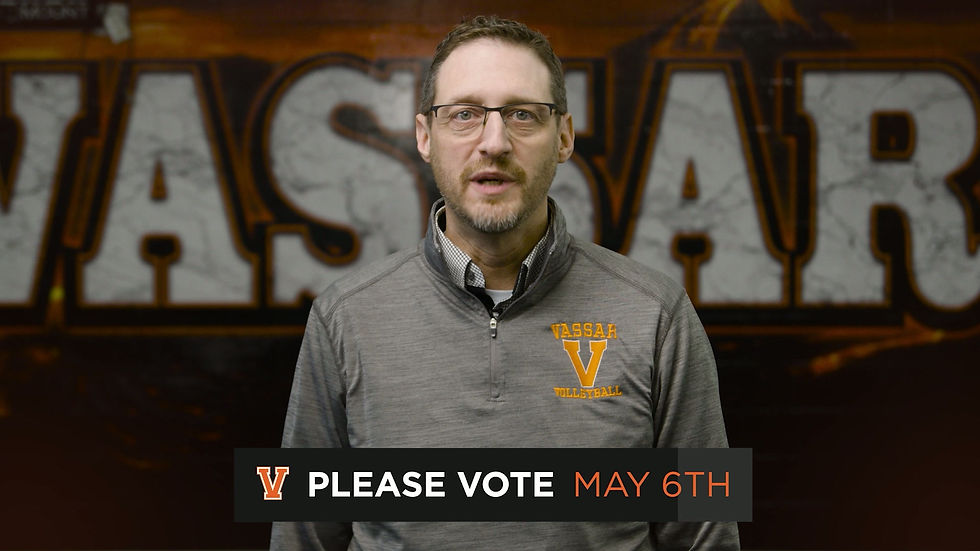
School leaders should be seen as approachable, relatable people when discussing district needs. Communities tend to connect more easily with someone they feel they know personally. In many cases, trust grows when residents feel like they know “John” or “Sarah,” not “Dr. So-and-So.”
That sense of familiarity matters. Leaders who appear overly formal can unintentionally create distance. In many communities there is a common saying that “suits and ties fail bonds.” Leaders who appear approachable and authentic tend to build stronger community relationships, so don’t be afraid to keep things simple.
Communication before and during a bond initiative should follow a business-to-consumer (B2C) approach. Messages should speak directly to families and community members in a natural, conversational tone.
School leaders should talk like everyday people. Avoid complicated jargon or technical language whenever possible. The tone should feel positive and forward-looking, highlighting opportunities for students and the future of the district.
Communities also connect with real stories. Showing real classrooms, real students, and real programs in action helps people understand how facilities and resources support learning every day.
In a rush? Watch this video for a crash course:
Teachers explaining how facilities support their classrooms
Students interacting with programs
Real examples of district spaces and facility needs
Clarity is key. Many community members are unfamiliar with technical financial terms used in school funding. Words like “mills” or “millage” may not be widely understood, so explanations should always remain simple and easy to follow.
While the communication should feel natural and community-focused, successful voter initiatives still require careful planning behind the scenes.
A bond effort should be treated as a coordinated campaign that involves multiple areas of expertise working together. This often includes collaboration among:
Copywriters
Videographers
Graphic Designers
Social media managers
Website specialists
Consultants
Advertising managers
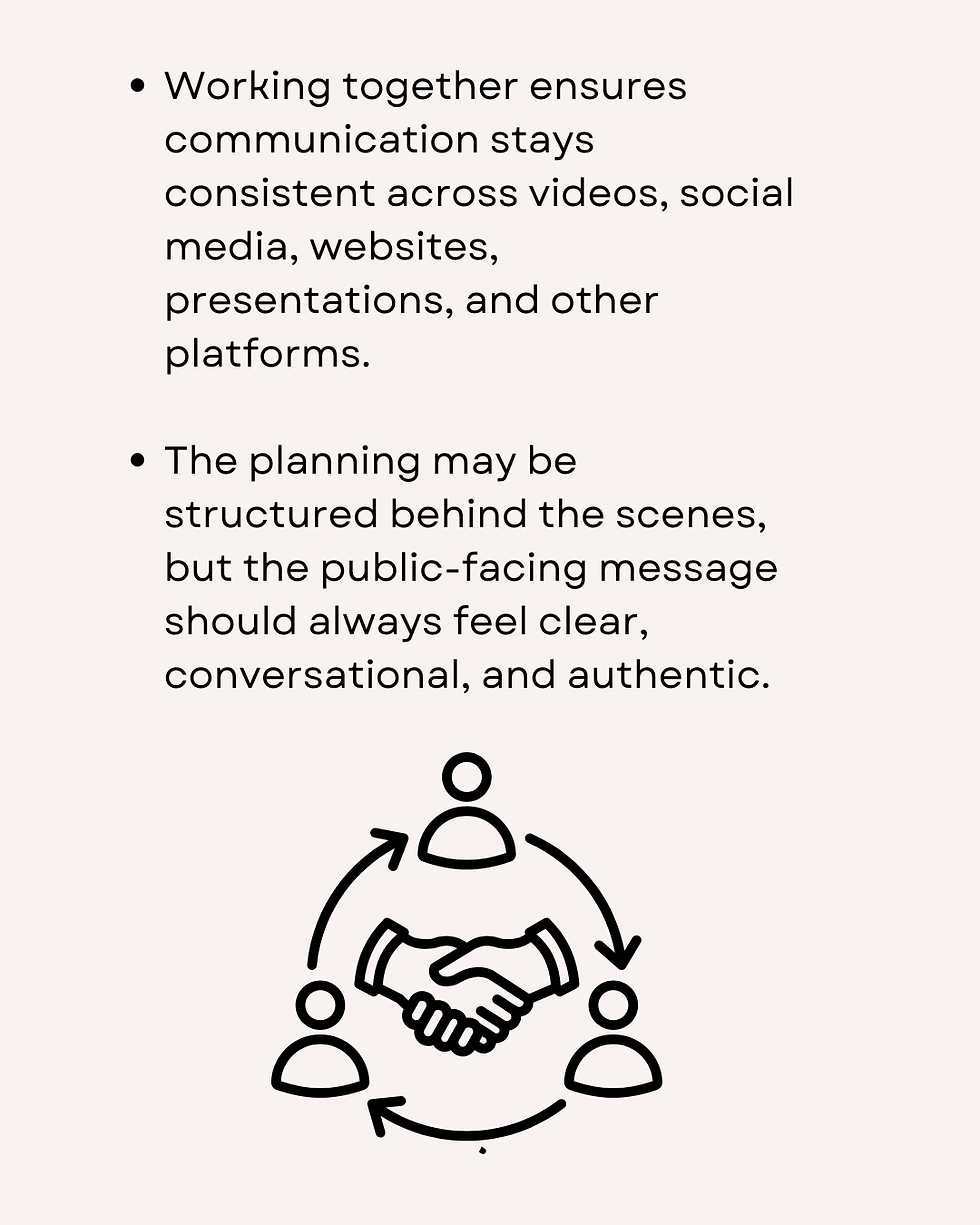
Working together ensures communication stays consistent across videos, social media, websites, presentations, and other platforms.
The planning may be structured behind the scenes, but the public-facing message should always feel clear, conversational, and authentic.

Effective content often includes:


Print materials must have QR codes.

Bonus: School Website Communication Strategy
For many districts, the school website is the first place families go when they want to learn more about programs, enrollment, or district initiatives. A well-organized website can make a major difference in how clearly the community understands district information.
At K12 Media, we work with districts to strengthen how information is presented online. This includes organizing webpages so visitors can quickly find what they are looking for, simplifying complex information into clear sections, and using graphics and visuals that make content easier to understand.
Effective school websites are designed with the community in mind. Pages should be easy to navigate, mobile-friendly, and structured so families can quickly scan key details before diving deeper into more complex information.
Whether districts are explaining programs, sharing district news, or communicating about major initiatives, a strong website structure helps ensure the community receives clear, accessible information.
Traditional Consulting Services
Every voter initiative begins with planning. A clear communication roadmap helps districts maintain consistent messaging from the first community conversation through election day.
In many cases, communication planning begins well before a proposal is formally placed on the ballot. The process often starts during the district’s strategic planning efforts as leaders begin discussing long-term facility needs and community priorities.
Consulting services often include:
-
Strategic planning for communication and community engagement
-
Timeline development aligned with election milestones
-
Community listening sessions to gather feedback
-
FAQ development based on common questions from residents
-
Board presentation support
-
Communication coaching for district leaders
-
Collaboration with project partners such as architects, construction managers, financial advisors, and legal teams involved in the initiative
Strong collaboration across these partners helps ensure the district communicates clear and consistent information to the community.

While print still matters, digital content drives significantly more traction for school voter initiatives—even among older audiences.
.png)

Steps for quality creative content


Check out this short from our YouTube Channel

Social Media Strategy

Short-form content plays an important role in keeping the community informed.
Most districts distribute this content organically through their social media channels, particularly Facebook and Instagram, which are often the platforms most widely used by community members.
Typical short-form content may include:
-
30-second quick videos
-
Motion graphics explaining key points
-
Infographics highlighting projects or timelines
-
Short informational clips about district programs or facilities
-
A clear posting schedule helps districts communicate consistently without overwhelming followers.
These short posts usually link back to a dedicated webpage where community members can read the full details of the voter initiative.
Later in the communication strategy, districts may also use targeted advertising to expand the reach of this same content.
Bonus: Video Storytelling for School Districts
Video storytelling has become one of the most effective ways for districts to connect with their communities.
Short videos can highlight classrooms, programs, student experiences, and facility improvements in a way that feels personal and engaging.
Many districts use these videos across multiple platforms, including websites, social media, and community presentations.
These videos help communities see the real impact of district programs and make complex topics easier to understand.
Website Voter Initiative Strategy
The district website often becomes the central hub where community members can explore full details about a voter initiative.
A strong initiative webpage should begin with a one-minute overview video placed at the top of the page to quickly introduce the proposal.
The page should also include plenty of graphics and visual elements to break up information and make the content easier to read.
Key information should be presented in clear bullet points so visitors can quickly understand:
-
What the proposal includes
-
Why the district needs the projects
-
Estimated costs and timelines
-
The structure of the page should start simple and easy to read. As visitors scroll further down the page, the information can gradually become more detailed.
-
Later sections may include:
-
Financial explanations
-
Legal descriptions of the proposal
-
Frequently asked questions
As these sections appear deeper on the page, the language naturally becomes more formal and technical.
Click to see what a bond webpage look like:
.png)

Targeted Ads for Voter Initiatives
Social media strategy typically includes two components: organic posts and targeted advertising.
Much of the content used for targeted ads is the same material used in organic social media posts. The difference is that paid advertising allows districts to reach community members who may not already follow the district online.
These ads use granular geographic targeting to reach residents within specific areas of the community.
This approach helps ensure information reaches people who may not currently be connected to the district’s social media pages.
The goal is simple: make sure the entire community has an opportunity to see the information, not just people who already follow the district online.
Most ads direct viewers back to the district’s voter initiative webpage, where the full details of the proposal are explained.
Paid advertising campaigns are typically managed through Facebook and Instagram, which allow districts to reach a broad portion of the local community.
.png)
Bonus: Enrollment Marketing Support
Social media strategy typically includes two components: organic posts and targeted advertising.
Much of the content used for targeted ads is the same material used in organic social media posts. The difference is that paid advertising allows districts to reach community members who may not already follow the district online.
These ads use granular geographic targeting to reach residents within specific areas of the community.
This approach helps ensure information reaches people who may not currently be connected to the district’s social media pages.
The goal is simple: make sure the entire community has an opportunity to see the information, not just people who already follow the district online.
Most ads direct viewers back to the district’s voter initiative webpage, where the full details of the proposal are explained.
Paid advertising campaigns are typically managed through Facebook and Instagram, which allow districts to reach a broad portion of the local community.



💬
Final Thought
Remember this simple rule of thumb:
End with “Don’t forget to vote.”
Never say “Vote yes.”
Just as important as following the rules is how the message is delivered.
Communication should feel clear, conversational, and easy to understand.
Avoid heavy jargon and focus on explaining proposals in plain language so communities can easily follow the information.
When districts communicate with clarity and transparency, it builds trust and helps voters make informed decisions.
